Table of Contents
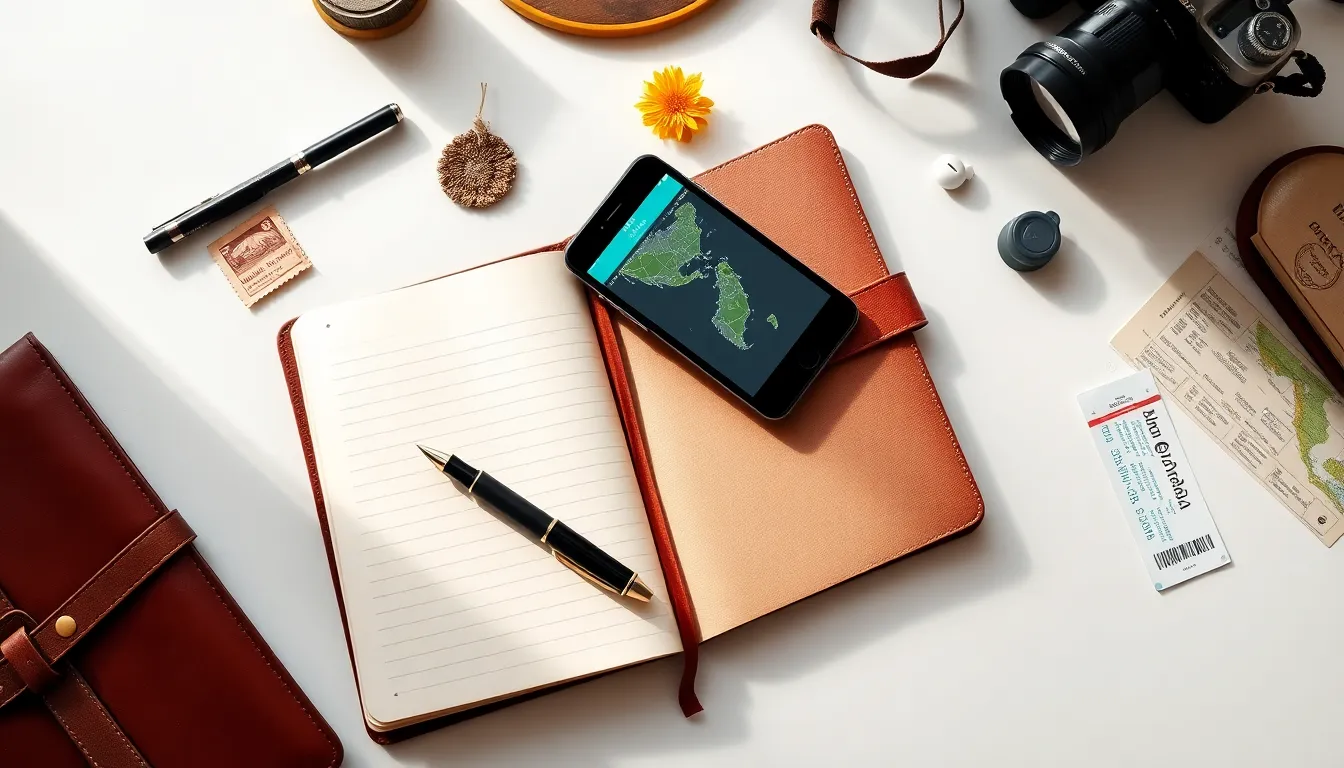
ToggleTravel diaries tools help travelers capture memories, track routes, and preserve stories from their adventures. Whether someone prefers a smartphone app or a leather-bound notebook, the right tool transforms scattered thoughts into lasting records.
Documenting travel has never been easier. Today’s travelers can choose from digital platforms, traditional journals, and multimedia options. Each method offers distinct benefits. The key lies in finding what fits a traveler’s style and sticking with it throughout the journey.
This guide covers the best travel diaries tools available today. It explores digital apps, analog journals, multimedia options, and practical tips for consistent documentation. By the end, any traveler will know exactly which tools suit their needs.
Key Takeaways
- Travel diaries tools range from digital apps like Day One and Polarsteps to classic paper journals, so choose what fits your personal style.
- Digital travel diaries tools offer automatic backups, location tagging, and easy sharing, while analog journals provide a tactile, screen-free experience.
- Multimedia options like voice memos and photo apps add depth to your travel documentation by capturing sounds and visuals that text alone can’t convey.
- Build a daily habit by setting a specific time for entries and keeping your travel diary tools easily accessible.
- Start small with five-minute entries rather than aiming for perfection—consistency matters more than polished prose.
- Make your travel diary enjoyable by adding ticket stubs, stickers, or photos to create a keepsake you’ll love revisiting.
Digital Apps for Capturing Your Journey
Digital travel diaries tools have become the go-to choice for modern adventurers. They offer convenience, automatic backups, and easy sharing features.
Popular Travel Diary Apps
Day One stands out as a premium journaling app. It supports photos, videos, audio recordings, and location tagging. The app automatically pulls weather data and adds it to entries. Users love its clean interface and end-to-end encryption.
Journey works across iOS, Android, and web browsers. It syncs entries through Google Drive and offers mood tracking alongside standard diary features. The app includes templates specifically designed for travel documentation.
Polarsteps takes a different approach. It automatically tracks routes using GPS and creates visual timelines of trips. Travelers can add photos and notes at each stop. The app then generates shareable travel books.
Notion offers flexibility for those who want customization. Users build their own travel diary templates with databases, galleries, and nested pages. It works well for travelers who also want to plan itineraries and track expenses in one place.
Benefits of Digital Travel Diaries Tools
Digital apps excel at organization. They search through years of entries in seconds. Cloud storage means entries survive lost phones or damaged devices.
Location services add context automatically. A traveler writes about an amazing meal, and the app records the restaurant’s exact coordinates. Photos embed directly into entries with timestamps.
Sharing becomes simple too. Most apps export entries as PDFs or allow direct sharing to social media. Some create polished travel books ready for printing.
Classic Journals and Analog Options
Paper journals remain beloved travel diaries tools even though the digital age. They offer a tactile experience that screens can’t replicate.
Types of Physical Travel Journals
Moleskine produces dedicated travel journals with maps, pocket folders, and lay-flat binding. The brand’s reputation for quality makes these journals popular gifts for travelers.
Traveler’s Notebook uses a refillable leather cover system. Users insert different paper types, blank, lined, grid, or watercolor, based on their preferences. The modular design lets travelers customize their setup.
Field Notes offers pocket-sized memo books perfect for quick observations. Their small size fits in any pocket. Many travelers use them for on-the-go notes, then transfer highlights to larger journals later.
Bullet journals provide structure for those who want it. The dot-grid pages support both writing and sketching. Travelers create custom spreads for packing lists, expense tracking, and daily reflections.
Why Analog Travel Diaries Tools Still Matter
Writing by hand slows the brain down. This slower pace often produces more thoughtful entries. Studies show handwriting improves memory retention compared to typing.
Physical journals don’t need charging. They work on long flights, remote beaches, and mountain summits. No Wi-Fi required.
There’s also something irreplaceable about the object itself. A worn journal with ticket stubs tucked between pages tells a story that digital files don’t. Many travelers display finished journals on bookshelves as keepsakes.
Multimedia Tools for Richer Travel Stories
Text alone doesn’t capture everything. Multimedia travel diaries tools add depth through images, audio, and video.
Photography and Video Tools
Google Photos organizes travel images automatically by location and date. Its search function finds specific photos fast, type “beach” and see every beach photo ever taken. The free storage tier makes it accessible.
VSCO and Lightroom Mobile help travelers edit photos on the go. Consistent editing styles give travel photos a cohesive look across an entire trip.
GoPro Quik edits action footage quickly. It syncs clips to music and adds transitions. Travelers create polished videos without professional editing skills.
Audio Recording Options
Sound captures atmosphere. A voice memo of a bustling market or street musicians adds dimension to written entries.
Otter.ai transcribes voice recordings into text. Travelers speak their thoughts aloud, and the app creates searchable written records.
Simple voice memo apps work perfectly fine too. The goal is capturing sounds that photos miss, conversations with locals, ambient noise, personal reflections spoken aloud.
Combining Multimedia With Written Entries
The best travel diaries tools approach combines multiple formats. A traveler might write morning reflections in a paper journal, snap photos throughout the day, and record a voice memo before bed.
Apps like Day One and Journey integrate all these media types into single entries. The result is a rich, multi-sensory record of each day’s adventures.
Tips for Staying Consistent With Your Travel Diary
The best travel diaries tools mean nothing without consistent use. Many travelers start strong but abandon their diaries mid-trip.
Build a Daily Habit
Pick a specific time for diary entries. Morning coffee works well, yesterday’s memories are still fresh. Evening wind-down time is another popular choice.
Start small. Five minutes of writing beats an hour of intentions. Short entries add up over a multi-week trip.
Set phone reminders if needed. A daily notification saying “Write in travel diary” creates accountability.
Lower the Barrier to Entry
Keep tools accessible. A journal buried in checked luggage won’t get used. Place it in a daypack or keep the app on a phone’s home screen.
Don’t aim for perfection. Rough notes capture more than polished prose never written. Bullet points, single sentences, and quick sketches all count.
Use prompts when stuck. Questions like “What surprised me today?” or “Best meal of the day” spark entries when inspiration runs low.
Make It Enjoyable
Travel diaries tools should feel like a gift, not a chore. Choose a journal that feels good to write in. Pick an app with an interface that brings joy.
Include fun elements. Tape in receipts, press flowers between pages, or add stickers. These touches make returning to old entries more enjoyable.
Share selectively with friends and family. Their responses create additional motivation to continue documenting.