Table of Contents
ToggleHome sweet home strategies help people transform their living spaces into places they genuinely enjoy. A home should feel like more than just a roof and four walls. It should offer comfort, calm, and a sense of belonging.
Many homeowners struggle to create this feeling. They accumulate clutter, ignore design basics, or fail to establish routines that support relaxation. The good news? Small, intentional changes can make a big difference.
This guide covers practical home sweet home strategies that work. From decluttering tips to design choices and daily habits, readers will discover how to build a space that truly feels like their own.
Key Takeaways
- Home sweet home strategies start with decluttering—removing unused items reduces stress and creates space for what truly matters.
- Choose calming colors like soft blues, greens, and neutrals to transform your living space into a relaxing retreat.
- Layer textures with rugs, throw blankets, and natural materials to add warmth and make rooms feel more inviting.
- Build daily routines like morning rituals and evening wind-down practices to strengthen your emotional connection to home.
- Create dedicated spaces for both gathering and personal solitude to support relationships and individual well-being.
- Bring nature inside with low-maintenance plants to improve air quality and boost your mental health at home.
Decluttering and Organizing Your Living Space
Clutter creates stress. Studies show that messy environments increase cortisol levels and reduce focus. One of the most effective home sweet home strategies starts with removing what no longer serves a purpose.
Start Small and Build Momentum
Tackling an entire house feels overwhelming. Instead, start with a single drawer or shelf. Complete one small area before moving to the next. This approach builds confidence and creates visible progress.
The “one in, one out” rule works well for maintenance. When someone buys a new item, they remove an old one. This simple habit prevents accumulation over time.
Create Logical Storage Systems
Everything needs a designated spot. Items used daily should stay within easy reach. Seasonal or rarely used belongings can go in closets, garages, or storage bins.
Labeling containers saves time and reduces frustration. Clear bins let people see contents at a glance. Drawer dividers keep small items from becoming a jumbled mess.
Donate, Sell, or Discard
Not everything deserves a place in the home. Ask three questions about each item: Do I use it? Do I love it? Does it serve a purpose? If the answer is no to all three, it’s time to let go.
Local charities, online marketplaces, and recycling centers offer options for items in good condition. Getting rid of excess stuff frees up physical and mental space.
Enhancing Comfort Through Design and Décor
Design choices directly impact how a space feels. Smart home sweet home strategies include selecting colors, textures, and layouts that promote relaxation.
Choose Colors That Calm
Color psychology matters. Soft blues, greens, and neutral tones tend to create peaceful environments. Bright reds and oranges can energize a room, great for a home office, less ideal for a bedroom.
Paint remains one of the most affordable ways to transform a room. A fresh coat in the right shade changes the entire atmosphere.
Layer Textures for Warmth
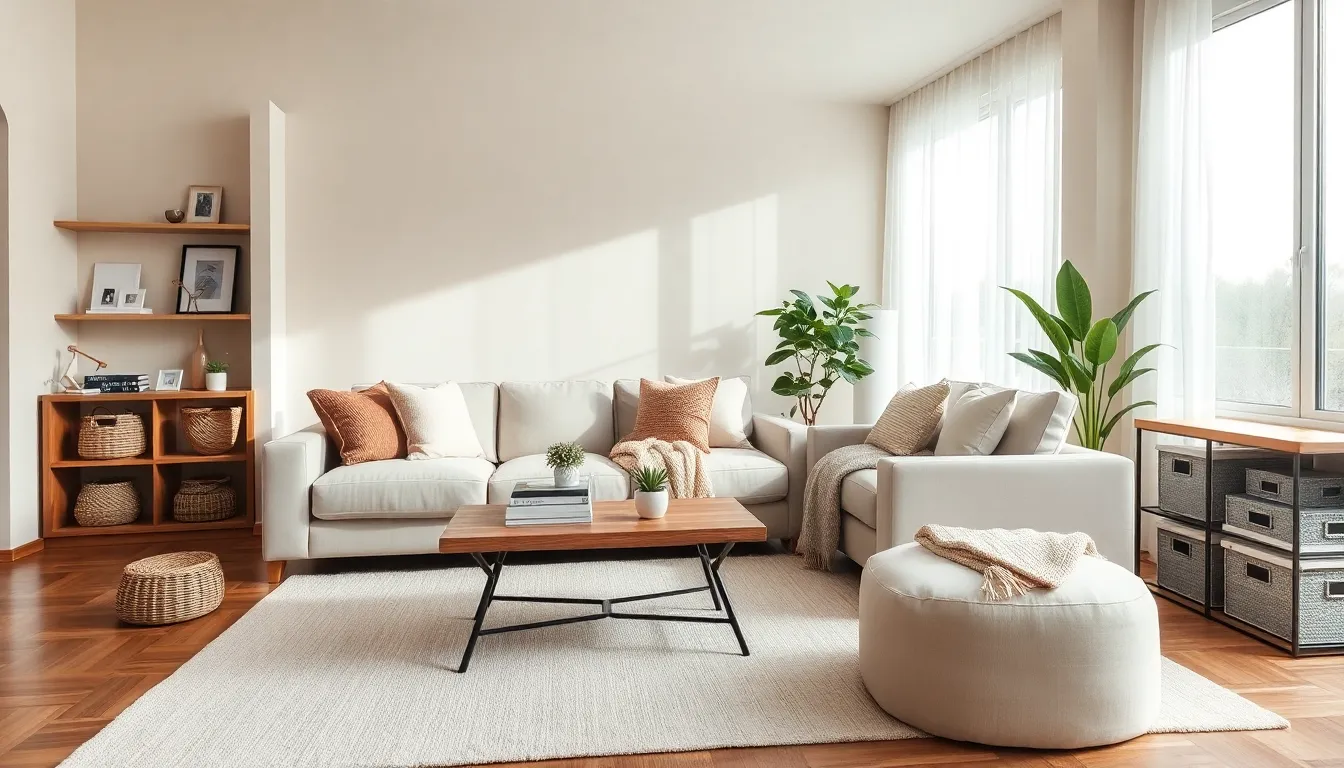
A room with only hard surfaces feels cold and uninviting. Layering soft textures adds warmth. Think plush rugs, cozy throw blankets, and comfortable pillows.
Natural materials like wood, cotton, and linen bring organic warmth. They also tend to age well and look better over time.
Maximize Natural Light
Sunlight boosts mood and energy. Arrange furniture to take advantage of windows. Use sheer curtains instead of heavy drapes when privacy allows.
Mirrors placed opposite windows reflect light and make rooms appear larger. They’re a simple trick that designers use frequently.
Add Personal Touches
A house becomes a home through personal items. Family photos, travel souvenirs, and artwork tell a story. These pieces make spaces unique and meaningful.
Building Daily Routines That Make Home Feel Like a Retreat
Home sweet home strategies extend beyond physical changes. Daily habits shape how people experience their living spaces.
Morning Rituals Set the Tone
How someone starts their day affects their entire mood. A calm morning routine, coffee in a favorite mug, a few minutes of quiet reading, or light stretching, creates positive associations with home.
Making the bed takes two minutes and instantly makes a bedroom look put together. It’s a small win that builds momentum.
Evening Wind-Down Practices
The transition from work to home life matters. Creating a buffer helps the mind shift gears. This might include changing clothes, taking a short walk, or listening to music.
Dimming lights in the evening signals to the brain that it’s time to relax. Smart bulbs or dimmers make this adjustment easy.
Weekly Maintenance Prevents Overwhelm
Small cleaning tasks spread throughout the week beat marathon weekend sessions. Fifteen minutes of tidying each day keeps spaces manageable. A clean home feels more peaceful than a cluttered one.
Scheduling specific tasks for certain days creates structure. Laundry on Tuesdays, vacuuming on Thursdays, whatever works for the household.
Creating Meaningful Spaces for Connection and Relaxation
Homes should support relationships and personal well-being. The best home sweet home strategies consider how spaces bring people together and offer solitude when needed.
Design Areas for Gathering
Living rooms and dining areas should encourage conversation. Arrange seating so people face each other rather than just the TV. A round table promotes better interaction than a long rectangular one.
Remove barriers like oversized furniture that block flow. Open layouts make entertaining easier and more natural.
Carve Out Personal Retreats
Everyone needs a spot to recharge alone. This could be a reading nook, a home office, or simply a comfortable chair by a window. Even small homes can include a dedicated corner for quiet time.
Noise-canceling elements help. Bookshelves absorb sound. Thick curtains reduce outside noise. These details matter, especially in busy households.
Bring Nature Inside
Plants improve air quality and boost mental health. They add life and color to any room. Low-maintenance options like pothos, snake plants, and succulents work well for beginners.
Natural elements beyond plants also help. A bowl of stones, a wooden accent piece, or fresh flowers create connection to the outdoors.
Make Technology Work for You
Smart home devices can enhance comfort when used intentionally. Programmable thermostats maintain ideal temperatures. Smart speakers play calming music or ambient sounds.
But, technology zones matter. Keeping phones and screens out of bedrooms improves sleep quality. Balance is key.