Table of Contents
ToggleA home sweet home guide helps people transform any house into a personal sanctuary. The difference between a house and a home comes down to feeling, comfort, warmth, and that sense of belonging when you walk through the door. This guide covers practical strategies for creating spaces that reflect personality, promote relaxation, and make daily life more enjoyable. From understanding what triggers that “home” feeling to budget-friendly decorating tips, readers will find actionable advice for every room. Whether someone just moved into a new place or wants to refresh their current space, these insights offer a clear path forward.
Key Takeaways
- A home sweet home guide helps transform any house into a personal sanctuary through emotional connections, personal touches, and intentional design.
- Scent, lighting, sound, and temperature directly impact how comfortable and welcoming a space feels.
- Essential elements of a cozy home include comfortable seating, functional layouts, adequate storage, plants, and colors that match your personality.
- Each room serves a unique purpose—prioritize sleep quality in bedrooms, social activity in living rooms, and ergonomic setups in home offices.
- Budget-friendly transformations include rearranging furniture, painting accent walls, shopping secondhand, and repurposing items you already own.
- Focus your time and resources on high-impact areas like entryways and main gathering spaces for the greatest effect.
What Makes a House Feel Like Home
A house becomes a home through personal connection. Physical structures provide shelter, but emotional elements create belonging. Several factors contribute to this transformation.
Personal touches matter most. Family photos, artwork collected over time, and sentimental objects tell a story. These items remind residents of who they are and where they’ve been. A home sweet home guide always emphasizes this personal layer.
Scent plays a powerful role. The smell of fresh coffee, baked goods, or a favorite candle triggers positive memories. Studies show scent connects directly to the brain’s emotional center. Many people underestimate how much fragrance affects their comfort level.
Lighting shapes mood instantly. Harsh overhead lights feel institutional. Layered lighting, table lamps, string lights, and dimmers, creates warmth. Natural light during the day boosts energy and well-being.
Sound contributes to atmosphere. A quiet space feels different from one filled with music or background noise. Some people need silence to relax. Others prefer soft music or nature sounds. Understanding personal preferences helps create the right environment.
Temperature affects comfort directly. A space that’s too hot or cold never feels welcoming. Proper heating, cooling, and ventilation make a significant difference in how people experience a room.
Essential Elements of a Welcoming Space
Every welcoming home shares certain characteristics. A solid home sweet home guide identifies these core elements.
Comfortable Seating
People spend significant time sitting. Quality sofas, chairs, and cushions support relaxation. Seating should accommodate different activities, reading, watching TV, conversations with guests. Invest in pieces that feel good and look appropriate for the space.
Functional Layout
Furniture arrangement affects how a room works. Clear pathways allow easy movement. Conversation areas bring people together. Work zones separate productivity from leisure. Good flow makes daily routines smoother.
Adequate Storage
Clutter creates stress. Sufficient storage keeps belongings organized and out of sight. Built-in cabinets, baskets, and multi-functional furniture help maintain order. A tidy space feels calmer and more inviting.
Plants and Natural Elements
Greenery brings life indoors. Plants improve air quality and add color. Wood, stone, and natural fibers connect interior spaces to the outside world. These elements make rooms feel fresh and grounded.
Color That Resonates
Color affects emotions. Cool tones promote calm. Warm tones energize. Neutral palettes provide flexibility. The best color choices reflect personal preferences while serving the room’s purpose. A bedroom might benefit from soft blues, while a home office could use energizing yellows.
Room-by-Room Tips for Comfort and Style
Different rooms serve different purposes. This home sweet home guide breaks down specific advice for each area.
Living Room
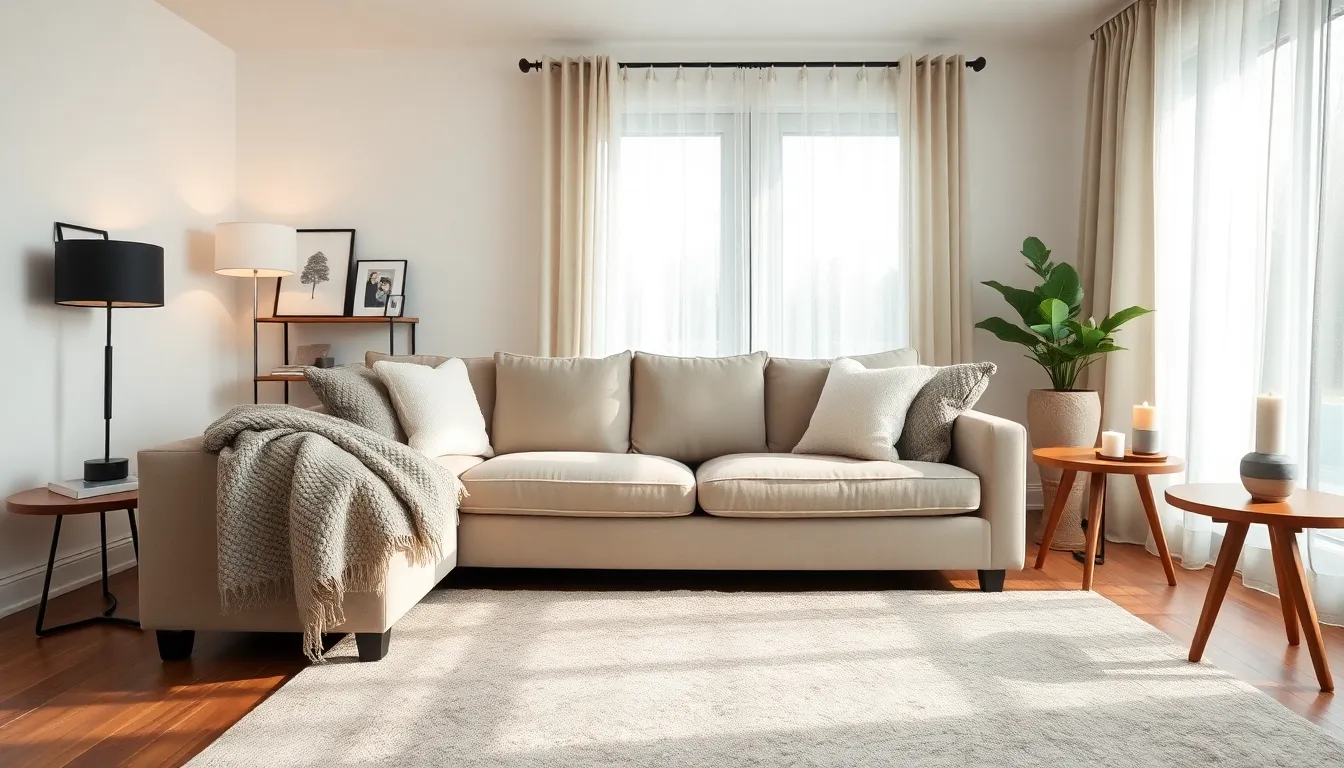
The living room hosts most social activity. Anchor the space with a quality rug that defines the seating area. Add throw pillows and blankets for texture and comfort. Create a focal point, a fireplace, large artwork, or entertainment center. Include adequate side tables for drinks and remotes.
Bedroom
Sleep quality depends on environment. Invest in good bedding, sheets, pillows, and a mattress that suits your sleep style. Use blackout curtains to control light. Keep electronics minimal. Add soft lighting for evening wind-down routines. The bedroom should prioritize rest above all else.
Kitchen
Kitchens function as gathering spots in many homes. Keep counters clear for food preparation. Display attractive cookware or dishes on open shelving. Add seating at a counter or island for casual meals. Good lighting above work areas prevents eye strain during cooking.
Bathroom
Bathrooms deserve attention too. Fluffy towels, quality bath products, and organized storage elevate the experience. Add a plant that thrives in humidity. Use matching accessories for a cohesive look. Small upgrades make daily routines more pleasant.
Home Office
Remote work has made home offices essential. Ergonomic furniture protects physical health during long work sessions. Good lighting reduces eye strain. Separate the work area from living spaces when possible. Personal items on the desk add warmth without creating distraction.
Budget-Friendly Ways to Transform Your Living Space
Creating a beautiful home doesn’t require a large budget. This home sweet home guide includes practical options for every price point.
Rearrange existing furniture. Moving pieces to new positions costs nothing but time. A different layout can completely change how a room feels and functions. Experiment with various arrangements before buying anything new.
Paint walls or accent areas. Paint offers dramatic impact at low cost. One accent wall can transform a room. Choose colors that complement existing furniture and decor. This single change refreshes any space quickly.
Update hardware and fixtures. New cabinet handles, light switch covers, and faucets make rooms feel updated. These small changes cost less than major renovations but create noticeable improvement.
Shop secondhand. Thrift stores, estate sales, and online marketplaces offer quality furniture at reduced prices. Vintage pieces add character that mass-produced items lack. With patience, shoppers find excellent deals on unique items.
DIY decorative projects. Frame fabric samples as art. Create gallery walls with inexpensive frames. Make throw pillow covers from discount fabric. These projects personalize spaces while keeping costs down.
Use what you have differently. A ladder becomes a towel rack. Mason jars hold bathroom supplies. An old dresser works as a TV stand. Creative repurposing saves money and adds personality.
Focus on high-impact areas. Entry points and main gathering spaces deserve priority. A welcoming front door, attractive entryway, and comfortable living room matter most. Invest limited resources where they’ll have the greatest effect.