Table of Contents
ToggleThe best travel diaries turn fleeting moments into lasting memories. A quick scribble about a sunrise in Bali or a sketch of a Parisian café becomes a personal treasure years later. But with so many options available, finding the right travel diary can feel overwhelming.
This guide breaks down why travel diaries matter, what features to prioritize, and which styles work best for different types of travelers. Whether someone prefers structured prompts or blank pages, there’s a perfect travel diary waiting to capture their next adventure.
Key Takeaways
- The best travel diaries preserve emotions and sensory details that photos can’t capture, enhancing memory retention and emotional connection to your trips.
- Look for key features like portable size (A5 or pocket-sized), quality paper (80+ gsm), lay-flat binding, and extras like inner pockets for tickets and receipts.
- Choose a travel diary style that matches your journaling preferences—blank pages for creatives, structured prompts for beginners, or one-line-a-day formats for busy travelers.
- Write daily, even if briefly, to capture details before they fade—waiting until your trip ends means losing meaningful moments.
- Add sensory details and ephemera like ticket stubs and pressed flowers to bring your entries alive when you revisit them years later.
- Embrace imperfection—messy handwriting and coffee stains add character and make your travel diary a genuine personal artifact.
Why Keeping a Travel Diary Matters
Travel diaries do more than record itineraries. They preserve emotions, observations, and small details that photos simply can’t capture. That conversation with a local shopkeeper? The way the rain smelled in Tokyo? These moments fade quickly without a written record.
Research supports this too. Studies show that writing about experiences improves memory retention and emotional processing. Travelers who journal often report feeling more present during their trips because they’re actively looking for things worth recording.
There’s also a practical benefit. Travel diaries help travelers track expenses, save restaurant recommendations, and remember which hotels to avoid next time. A good travel diary becomes both a keepsake and a reference tool.
For frequent travelers, these journals create a personal archive. Flipping through old entries brings back details that would otherwise be lost, the name of that amazing gelato shop in Rome, or how it felt to see the Northern Lights for the first time.
Features to Look for in a Travel Diary
Not all travel diaries are created equal. The best travel diaries share certain qualities that make them practical companions on the road.
Size and Portability
A travel diary should fit easily in a daypack or purse. Most travelers prefer something between A5 and pocket-sized. Too large, and it stays in the hotel room. Too small, and there’s no space to write comfortably.
Paper Quality
Paper weight matters, especially for those who use fountain pens or markers. Look for paper that’s at least 80 gsm to prevent bleed-through. Acid-free paper also ensures entries won’t yellow or deteriorate over time.
Binding Style
Lay-flat binding makes writing easier, particularly in cramped spaces like airplane tray tables. Spiral-bound options work well too, though they can snag in bags. Hardcover travel diaries offer more durability but add weight.
Layout Options
Some travelers want blank pages for complete freedom. Others prefer lined pages, dot grids, or structured prompts. The best travel diaries match the user’s journaling style. Guided journals with prompts like “Best meal today” or “Unexpected discovery” work great for beginners.
Extra Features
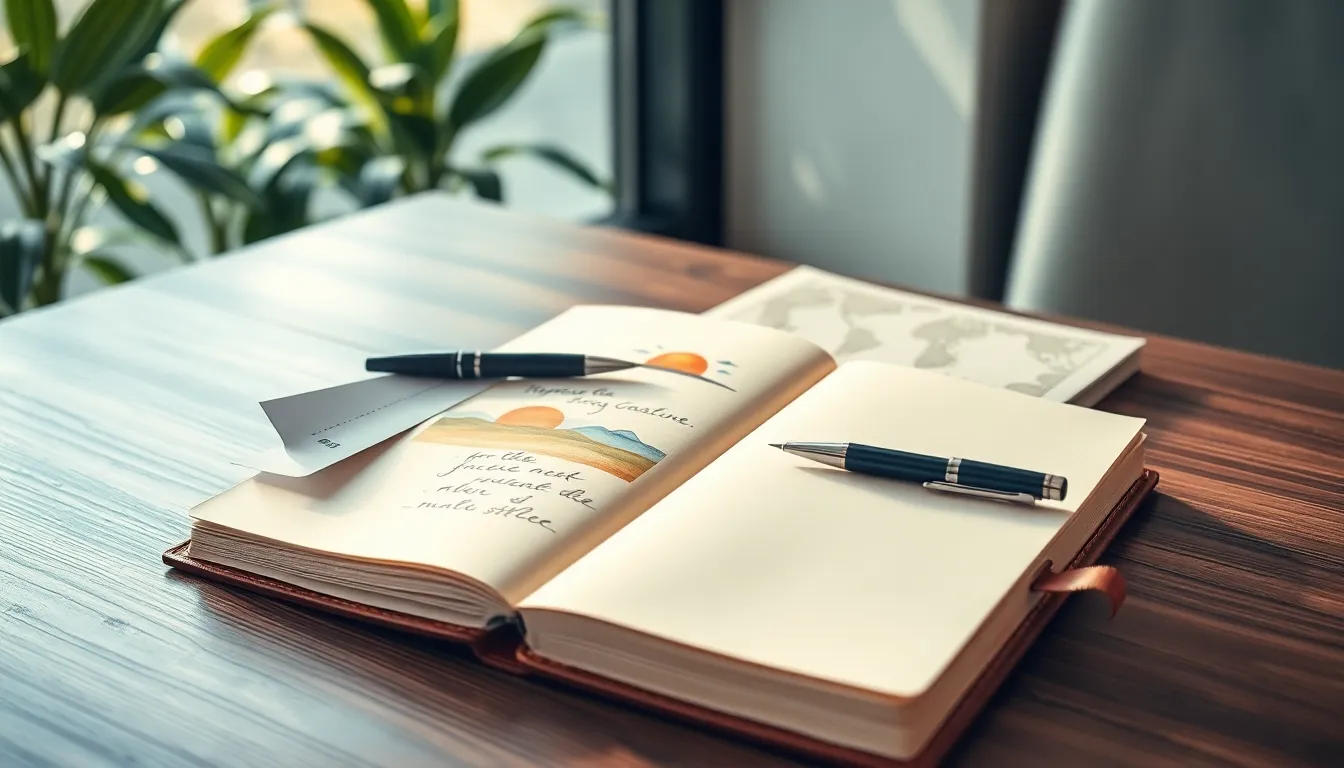
Useful additions include ribbon bookmarks, elastic closures, inner pockets for tickets and receipts, and world maps. Some premium travel diaries even include waterproof covers for beach or hiking trips.
Top Travel Diary Styles for Every Type of Traveler
Different travelers have different needs. Here’s a breakdown of popular travel diary styles and who they suit best.
The Minimalist Blank Journal
Perfect for artists, sketchers, and free-form writers. Blank pages offer unlimited creative possibilities. Moleskine and Leuchtturm1917 produce excellent options with quality paper and durable covers. These travel diaries work well for mixed-media journaling, combining writing, sketches, and pasted memorabilia.
The Structured Prompt Journal
Ideal for busy travelers or journaling beginners. Pre-written prompts eliminate the “blank page paralysis” many people experience. Questions like “Highlight of the day” or “Local food I tried” make writing quick and easy. These guided travel diaries keep entries focused and ensure travelers capture meaningful details.
The Bullet Journal Style
Great for organized planners who want flexibility. Dot-grid pages allow travelers to create custom layouts, daily logs, expense trackers, packing lists, and bucket lists all in one place. This style requires more setup but offers maximum personalization.
The One-Line-a-Day Travel Diary
Best for travelers who want to journal but lack time. These compact travel diaries ask for just one sentence per day. Over multiple trips, they create a fascinating timeline of adventures. They’re also excellent for comparing experiences across years.
The Luxury Leather-Bound Journal
Suited for those who view their travel diary as a long-term keepsake. Handcrafted leather covers age beautifully and feel special to write in. Brands like Rustico and Saddleback produce travel diaries built to last decades.
Tips for Making the Most of Your Travel Diary
Owning a beautiful travel diary is just the start. These tips help travelers actually use it.
Write daily, even briefly. Five minutes before bed is enough. Waiting until the trip ends means losing details. The best travel diaries are the ones that get filled.
Include sensory details. Don’t just write “visited the market.” Describe the smell of spices, the sound of vendors calling out, the texture of handwoven fabric. These details bring entries alive when re-reading later.
Paste in ephemera. Ticket stubs, napkins with phone numbers, pressed flowers, and postage stamps add visual interest. They also trigger specific memories.
Don’t aim for perfection. Messy handwriting, crossed-out words, and coffee stains add character. A travel diary isn’t meant to be a polished publication, it’s a personal artifact.
Use different colored pens. Color-coding entries by day, location, or mood makes flipping through the diary more engaging.
Leave space for reflection. Some travelers add entries weeks after returning home. Distance provides new perspective on experiences.