Table of Contents
ToggleHome sweet home techniques transform ordinary living spaces into personal retreats. A cozy home doesn’t require expensive renovations or professional interior designers. Small, intentional changes create big impacts on how a space looks and feels.
Most people spend significant time indoors. The environment affects mood, productivity, and overall well-being. A welcoming home provides comfort after long days and creates a space where memories happen naturally.
This guide covers practical home sweet home techniques anyone can apply. From decluttering strategies to sensory experiences, these methods help create spaces that feel genuinely inviting. Each approach focuses on simple changes that deliver real results.
Key Takeaways
- Home sweet home techniques focus on small, intentional changes that create big impacts without expensive renovations.
- Start decluttering one room at a time and maintain open surfaces to create a calmer, more peaceful environment.
- Layer ambient, task, and accent lighting with warm-toned bulbs to transform any room’s atmosphere instantly.
- Display meaningful items like family photos, travel souvenirs, and heirlooms to make your space uniquely personal.
- Engage multiple senses by incorporating pleasant scents through candles or diffusers and layering soft textures like throws and rugs.
- Add plants for natural beauty and improved air quality—even low-maintenance options like pothos or snake plants make a difference.
Decluttering for a Calmer Living Environment
Clutter creates visual noise. The brain processes everything it sees, and too many objects compete for attention. Home sweet home techniques start with removing what doesn’t serve a purpose or bring joy.
Begin with one room or even one drawer. Small wins build momentum. Sort items into three categories: keep, donate, and discard. Be honest about what actually gets used versus what just takes up space.
Storage solutions help maintain order after the initial purge. Baskets, bins, and drawer organizers keep necessary items contained. The goal isn’t perfection, it’s creating breathing room.
Open surfaces make rooms feel larger and more peaceful. A cleared coffee table or kitchen counter immediately changes a room’s energy. The eye needs places to rest.
Regular maintenance prevents clutter from returning. A quick 10-minute tidy each evening keeps spaces manageable. Items should have designated homes so they return there naturally.
Digital clutter counts too. Visible cords, piled-up mail, and overflowing bookshelves all contribute to visual chaos. Addressing these areas creates a calmer foundation for other home sweet home techniques.
Using Lighting to Create Warmth and Ambiance
Lighting changes everything about a room’s atmosphere. Harsh overhead lights make spaces feel cold and institutional. Home sweet home techniques prioritize layered lighting that creates warmth.
Three types of lighting work together effectively. Ambient lighting provides general illumination. Task lighting serves specific activities like reading or cooking. Accent lighting highlights architectural features or artwork.
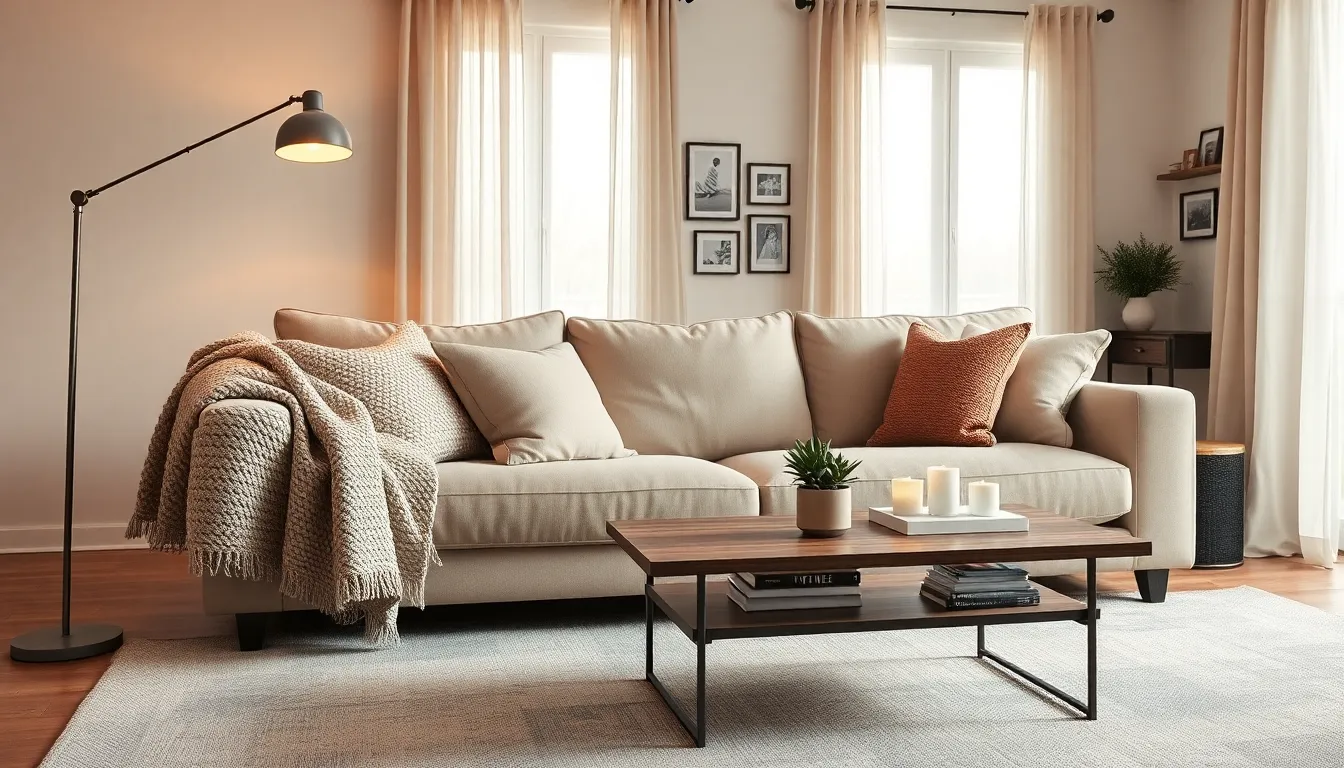
Lamp placement matters as much as the fixtures themselves. Multiple light sources at different heights add dimension. A floor lamp in one corner, table lamps on side tables, and perhaps string lights or candles create visual interest.
Bulb color temperature affects mood significantly. Warm white bulbs (2700K-3000K) produce cozy, yellow-toned light. Cool white bulbs (4000K+) feel more clinical. Most living spaces benefit from warmer options.
Dimmer switches offer flexibility throughout the day. Bright light energizes morning routines while softer light signals relaxation in evenings. This simple upgrade supports natural rhythms.
Natural light deserves attention too. Clean windows let in more sunlight. Sheer curtains diffuse harsh rays while maintaining brightness. Mirrors placed opposite windows bounce light deeper into rooms.
Candles remain a classic home sweet home technique for good reason. The flickering flame creates instant ambiance. Battery-operated alternatives offer similar visual warmth without fire concerns.
Incorporating Personal Touches and Meaningful Decor
Generic decor feels impersonal. Home sweet home techniques emphasize items that tell a story or hold meaning. These pieces make spaces uniquely yours.
Family photos create connection points throughout a home. Gallery walls showcase memories. Framed images on shelves and tables add personality without overwhelming. Mix frame styles for visual interest or keep them uniform for a cleaner look.
Travel souvenirs bring adventure home. A ceramic piece from a memorable trip, textiles from different cultures, or artwork purchased abroad all spark conversation. They remind residents of experiences beyond daily routines.
Heirlooms and vintage finds add character. A grandmother’s vase, a refinished piece of furniture, or thrift store discoveries carry history. These items often become focal points in rooms.
Handmade items introduce warmth that mass-produced goods can’t replicate. Pottery from local artists, woven blankets, or DIY projects reflect individual taste. Supporting makers also connects homes to broader communities.
Books reveal interests and personalities. Displayed thoughtfully, they serve as both decoration and conversation starters. Stack them, arrange them by color, or simply leave favorites visible.
Plants bring life into any space. Even those without green thumbs can find low-maintenance options like pothos, snake plants, or succulents. Greenery improves air quality and adds natural beauty.
Engaging the Senses With Scents and Textures
Vision isn’t the only sense that matters at home. Effective home sweet home techniques engage smell and touch for a complete sensory experience.
Scent triggers memory and emotion powerfully. Candles, diffusers, and fresh flowers introduce pleasant aromas. Lavender promotes relaxation. Citrus energizes. Vanilla and cinnamon feel warm and comforting. Choose scents that resonate personally rather than following trends.
Room sprays offer quick refreshes between deeper cleaning sessions. Linen sprays make beds and couches smell freshly laundered. Natural options avoid synthetic chemical smells.
Simmering pots create welcoming scents naturally. Water with cinnamon sticks, orange peels, or vanilla extract on the stove fills a home with inviting aromas. This technique works especially well before guests arrive.
Texture adds physical comfort and visual depth. Soft throw blankets invite lounging. Plush rugs cushion bare feet. Velvet, linen, and knit materials each contribute different sensations.
Layering textures prevents rooms from feeling flat. A leather sofa gains warmth with wool pillows and a chunky knit throw. Smooth wood tables pair nicely with textured runners or woven placemats.
Bedding deserves particular attention. High-quality sheets improve sleep and make bedrooms feel luxurious. Cotton, linen, and bamboo fabrics offer breathability. Weighted blankets provide comfort for some sleepers.
These sensory home sweet home techniques create spaces that feel good to inhabit, not just look at in photos.