Table of Contents
ToggleHome sweet home tools make the difference between a quick fix and a costly service call. Every homeowner needs reliable equipment to handle repairs, improvements, and everyday maintenance tasks. The right tools save time, money, and frustration.
This guide covers essential hand tools, practical power tools, smart storage solutions, and budget-friendly buying strategies. Whether someone just bought their first house or wants to upgrade an existing collection, these recommendations help build a functional home toolkit.
Key Takeaways
- A basic home sweet home tools collection—hammer, screwdrivers, pliers, tape measure, and utility knife—handles 80% of repairs and costs under $100.
- A cordless drill is the most essential power tool for homeowners, offering versatility for drilling, driving screws, and various attachments.
- Proper tool storage using pegboards, toolboxes, or magnetic strips protects your investment and saves time searching during repairs.
- Buy home sweet home tools as specific projects demand them to avoid wasting money on equipment that sits unused.
- Shop holiday sales, estate sales, and online marketplaces to find quality tools at significantly reduced prices.
- Invest in quality hand tools that last a lifetime, while budget power tools work fine for occasional users.
Must-Have Hand Tools for Basic Home Repairs
Hand tools form the foundation of any home sweet home tools collection. They require no electricity, last for decades, and handle most common household tasks.
Hammers and Screwdrivers
A 16-ounce claw hammer works for most jobs. It drives nails, removes old fasteners, and provides enough weight for general tasks without causing fatigue. Homeowners should keep both flathead and Phillips screwdrivers in multiple sizes. A magnetic tip prevents dropped screws in tight spaces.
Pliers and Wrenches
Needle-nose pliers grip small objects and reach into cramped areas. Slip-joint pliers adjust to different sizes for gripping pipes and fittings. An adjustable wrench eliminates the need for a full socket set when tightening nuts and bolts around the house.
Measuring and Marking Tools
A 25-foot tape measure handles most home projects. Look for one with a locking mechanism and easy-to-read markings. A carpenter’s pencil marks cuts on wood and drywall without rolling away. A torpedo level ensures pictures hang straight and shelves sit level.
Cutting Tools
A utility knife with retractable blade opens packages, scores drywall, and trims materials. Keep extra blades on hand, dull knives cause accidents. A handsaw cuts small pieces of wood when a power saw seems like overkill.
These home sweet home tools handle about 80% of basic repairs. They fit in a small toolbox and cost under $100 total.
Power Tools That Make Home Projects Easier
Power tools speed up bigger jobs and reduce physical strain. They cost more than hand tools but pay for themselves through time savings.
Cordless Drill/Driver
This home sweet home tool tops every expert’s list. A cordless drill drives screws, drills holes, and accepts various attachments. An 18-volt or 20-volt model provides enough power for most household tasks. Two batteries ensure one charges while the other works.
Look for variable speed control and a keyless chuck for quick bit changes. Most homeowners use their drill more than any other power tool.
Circular Saw
A circular saw cuts lumber, plywood, and other sheet goods quickly. A 7¼-inch blade size offers the best combination of cutting capacity and control. Cordless models provide portability, though corded versions deliver consistent power for longer cuts.
Oscillating Multi-Tool
This versatile tool cuts, sands, scrapes, and grinds. It excels at detail work and flush cuts near walls or floors. Homeowners use it for trimming door frames, removing grout, and cutting through nails.
Random Orbital Sander
Sanding by hand takes forever. A random orbital sander smooths wood surfaces before painting or staining. The random motion prevents swirl marks that cheaper sanders leave behind.
These home sweet home tools expand project possibilities significantly. Start with a drill, then add others as specific needs arise.
Organizing and Storing Your Home Tool Collection
Proper storage protects home sweet home tools from damage and makes them easy to find. Disorganized tools waste time and lead to duplicate purchases.
Toolbox Options
A portable toolbox works for small collections and allows homeowners to carry tools between rooms. Metal boxes last longer than plastic, though quality plastic models weigh less. Look for a removable tray for small items like screws and nails.
Larger collections benefit from a rolling tool chest. Multiple drawers separate tools by type. Wheels let homeowners move heavy equipment to the garage or yard.
Wall-Mounted Storage
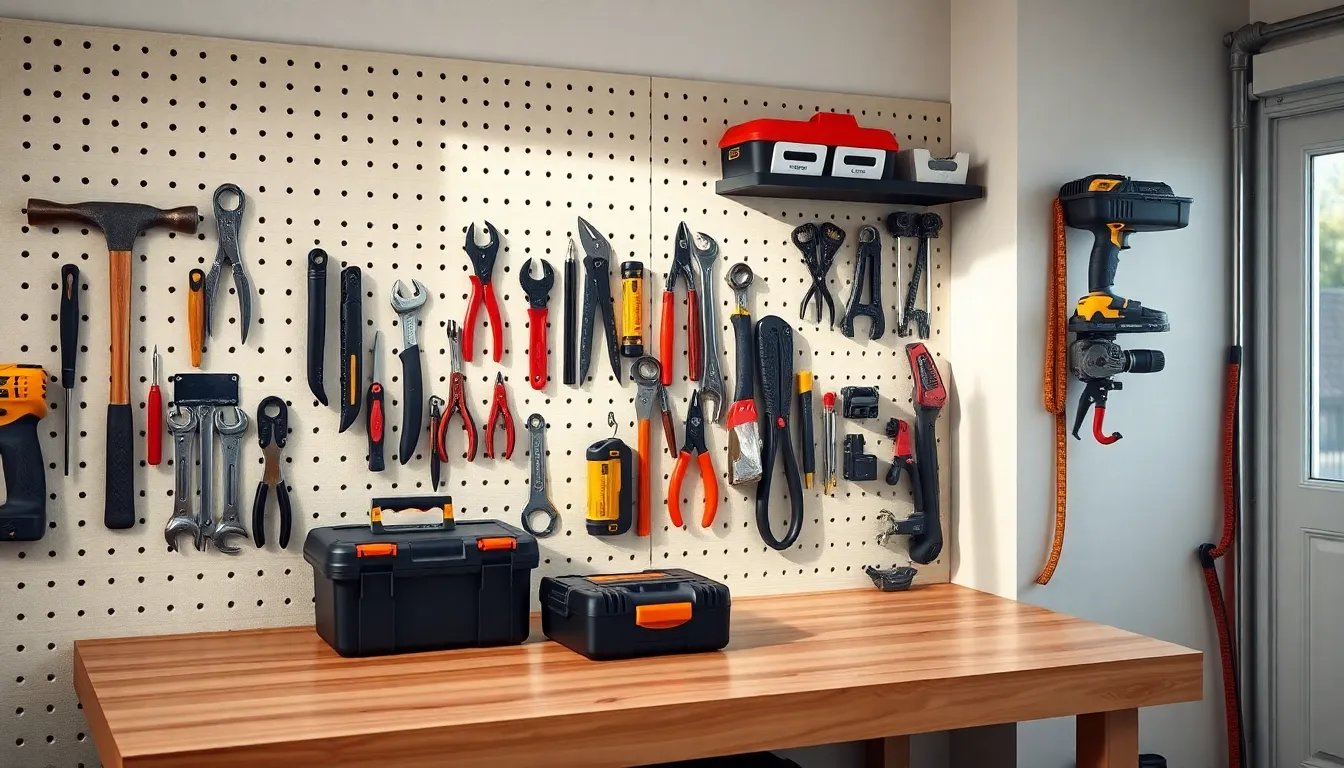
Pegboard systems keep frequently used home sweet home tools visible and accessible. Hooks, bins, and shelves attach anywhere on the board. Custom arrangements fit any garage or workshop layout.
Magnetic strips hold metal tools securely. They work especially well for screwdrivers, wrenches, and pliers.
Storage Tips That Work
Group similar tools together. Keep all screwdrivers in one spot, all pliers in another. This habit reduces search time dramatically.
Clean tools before storing them. Wipe metal surfaces with a light oil to prevent rust. Empty sawdust from power tools after each use.
Label drawers and bins clearly. Future you will appreciate the organization when a pipe starts leaking at midnight.
Good storage extends tool life and makes home repairs less frustrating. A few hours of organization saves countless hours of searching later.
Building Your Tool Kit on a Budget
Quality home sweet home tools don’t require a huge investment. Smart shopping strategies stretch limited budgets further.
Start With Essentials
Buy the most-used tools first. A hammer, screwdriver set, pliers, tape measure, and utility knife handle most basic repairs. This starter kit costs $30-50 and fits in a small box.
Add tools as specific projects demand them. Need to hang curtain rods? Buy a drill. Planning to build shelves? Add a saw. This approach prevents buying tools that sit unused.
Where to Find Deals
Hardware stores run sales around major holidays. Father’s Day, Memorial Day, and Black Friday bring significant discounts on home sweet home tools. Sign up for email lists to receive advance notice.
Estate sales and garage sales offer quality tools at fraction of retail prices. Older hand tools often outlast modern budget brands. Check for rust, loose handles, and worn edges before buying.
Online marketplaces list used power tools regularly. Meet sellers locally to inspect items before purchase. Test power tools before handing over cash.
Quality vs. Price
Cheap tools cost more over time. They break faster, perform worse, and frustrate users. Mid-range brands offer good value, better quality than bargain options without premium prices.
Hand tools deserve quality investment. A good hammer lasts a lifetime. Power tools vary more, occasional users can buy budget models, while frequent users should spend more.
Borrowing rarely-needed tools from neighbors saves money. Rental services provide specialty equipment for one-time projects. No one needs to own a tile saw for a single bathroom renovation.